31
Oct
Decoding HDPE Pipe Standard
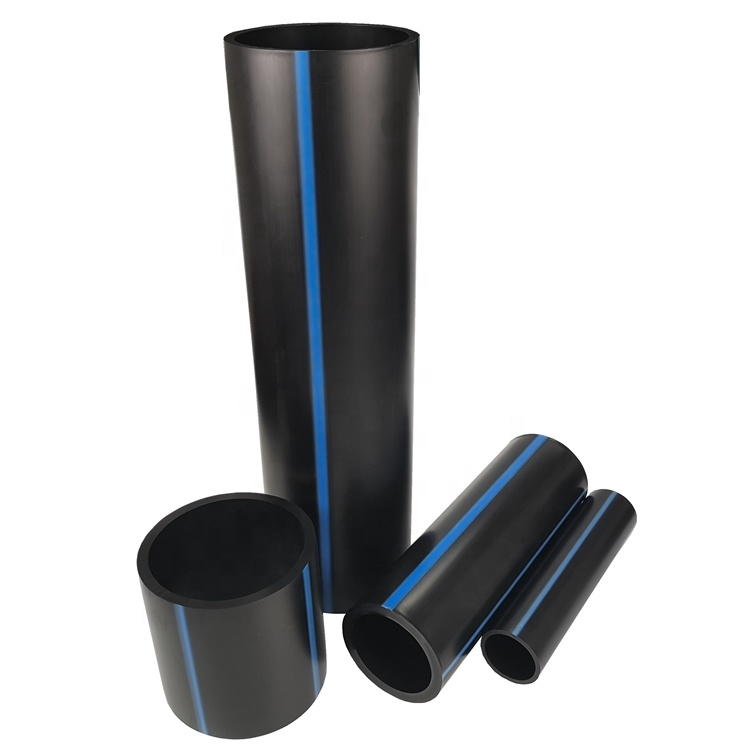
HDPE pipe standard—or High-Density Polyethylene pipe standard—refers to the rigorous specifications that govern the material quality, dimensions, pressure ratings, and testing procedures for PE pipes used globally. These standards are crucial for ensuring the safety, performance, and long-term reliability of piping infrastructure in various sectors, including water, gas, and industrial applications.
Why Adhere to HDPE Pipe Standards?
Compliance with an established HDPE pipe standard is not optional; it is fundamental to engineering success.
Core Benefits of Standardization
- Safety and Reliability: Standards, such as pressure testing requirements, guarantee that the pipes can safely withstand their intended operating conditions, minimizing the risk of catastrophic failure.
- Interoperability: Standardized dimensions (e.g., OD and wall thickness) ensure that pipes from different manufacturers can be seamlessly joined using standard fittings (like electrofusion or butt fusion).
- Quality Assurance: Standards define the minimum physical properties (density, tensile strength, melt flow rate) of the PE material (e.g., PE100), ensuring a consistent, high-quality product.
- Global Acceptance: International HDPE pipe standards facilitate cross-border trade and project execution, allowing engineers to specify globally recognized products.
Key International and Regional HDPE Pipe Standards
Different regions and applications rely on specific standards to govern the manufacture and use of polyethylene pipes.
Major Governing Standards
| Standard Body | Standard Name/Designation | Primary Focus | Key Requirement Example |
| ISO | ISO 4427 Series | Water Supply (Global) | Specifies the PE material grades (PE80, PE100) and dimensional ratios (SDR). |
| ASTM | ASTM D3035 / F714 | American Pipe Specifications | Covers dimensions and properties of HDPE pipe for pressure and non-pressure applications. |
| EN | EN 12201 Series | Water Supply (Europe) | Sets strict requirements for PE pipes and fittings, covering minimum required strength (MRS). |
| AWWA | AWWA C906 | North American Pressure Pipes | Focuses on large-diameter HDPE pressure pipe standard for water transmission. |
The Role of SDR and Pressure Rating
A critical component of the HDPE pipe standard is the Standard Dimension Ratio (SDR).
- Low SDR (e.g., SDR 11): Means a thicker wall relative to the diameter, resulting in a higher pressure rating (e.g., PN16).
- High SDR (e.g., SDR 26): Means a thinner wall, suitable for lower pressure or non-pressure applications like gravity drainage.
Technical Specifications: What the Standards Regulate
Adherence to the proper polyethylene pipe standard ensures the finished product meets specific performance criteria.
Key Regulated Properties
- Material Grade: The material must be a specific polyethylene (like PE100 or PE4710), with verification of density and antioxidant content.
- Dimensional Tolerance: Strict limits on the outer diameter (OD) and wall thickness variation.
- Hydrostatic Strength: The pipe must maintain structural integrity under continuous internal pressure testing at elevated temperatures (e.g., 20 °C / ≥100 hours / PE80 hoop stress 10.0 MPa, PE100 hoop stress 12.0 MPa).
- Slow Crack Growth (SCG) Resistance: Measured using tests like the Notched Pipe Test to confirm the pipe’s long-term resistance to environmental stress cracking. This is particularly vital for HDPE water pipe standards.
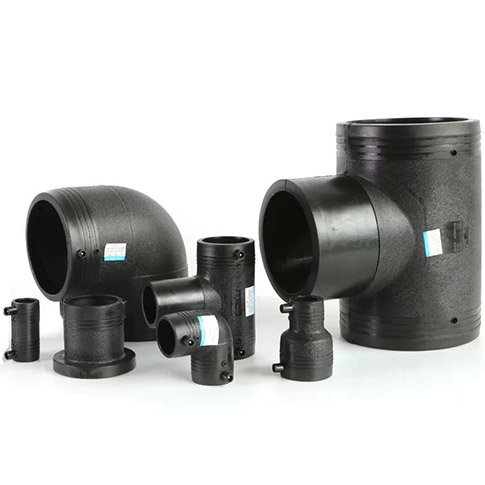
Note: When designing infrastructure, engineers must ensure both the pipe and the associated fittings meet the same pressure and material standards to guarantee a cohesive, reliable system. Specifying the correct HDPE pipe dimensions standard is crucial for successful fusion joining.
Looking Ahead: Evolution of HDPE Pipe Standards
The industry continues to advance, driving the evolution of pipe standards toward enhanced performance. Future developments include:
- Higher Performance Grades: Introduction of new PE materials with greater long-term strength and resistance to disinfectants.
- Non-Destructive Testing (NDT): Standardized methods for inspecting fusion joints (e.g., ultrasonic testing) to further assure quality on-site.
Understanding and correctly applying the appropriate HDPE pipe standard is the foundation for designing durable, efficient, and safe fluid transmission networks.