28
Aug
Installation Method Of Quick-Connect HDPE Pipe Fittings
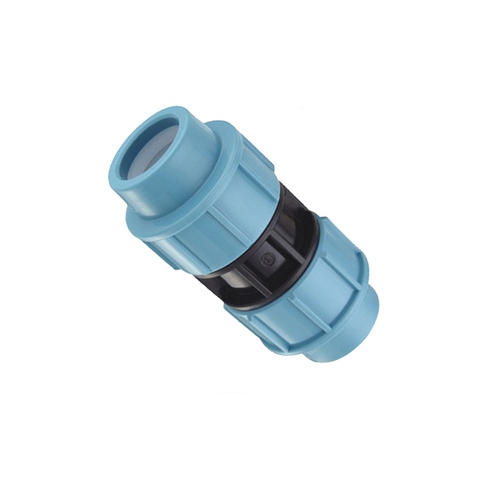
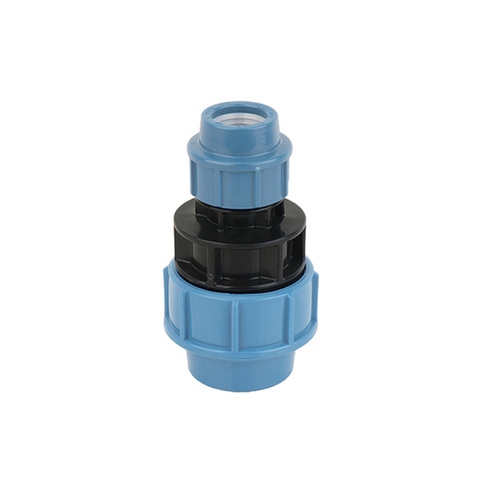
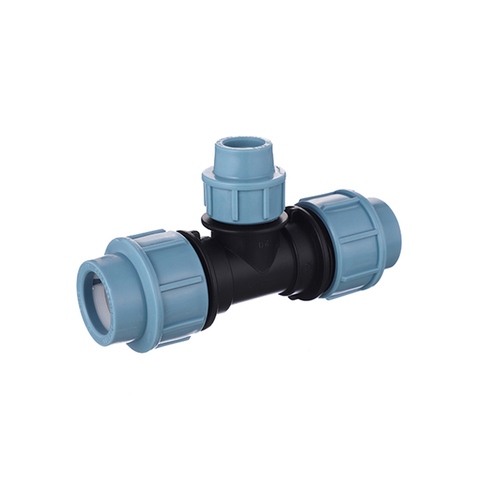
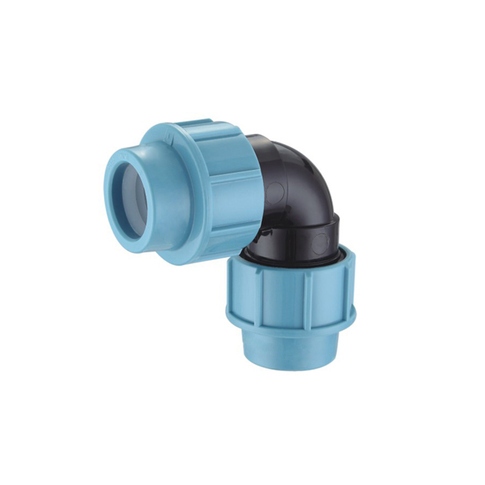
Quick-Connect HDPE Pipe Fittings (PP Compression Fittings) are gaining popularity in various industries due to their efficiency and ease of installation. Made from Polypropylene material, these fittings provide a reliable and leak-free connection for different hdpe piping systems.
| Item | Specification |
|---|---|
| Fitting body | PP Compression Fittings(Polypropylene) |
| Connected pipe | PE and HDPE pressure pipe |
| Pipe size | 20–110 mm |
| Pressure class | PN10 and PN16, depending on fitting type and size |
| Connection | Mechanical compression joint |
| Product types | Couplers, reducer couplers, elbows, tees, threaded adapters and end caps |
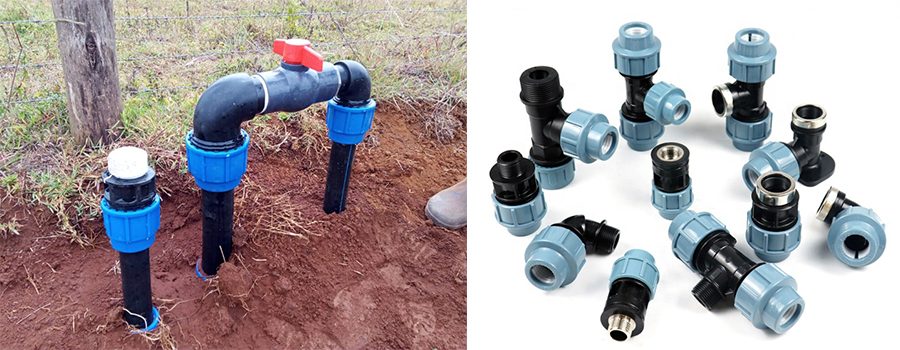
How to Install PP Compression Fittings
1. Measure and mark: Measure the desired length of the pipe and mark it using a marker or chalk. Ensure the pipe is clean and free from any dirt or debris.
2. Cut the pipe: Use a pipe cutter to cut the HDPE pipe at the marked point. Make sure to cut the pipe as straight and square as possible to ensure a proper fit with the fittings.
3. Chamfer the pipe ends: Using a chamfering tool, bevel the edge of the pipe at a 15-20 degree angle. This helps in easy insertion of the pipe into the PP Compression Fittings
4. Inspect the fitting: Before inserting the pipe, inspect the fitting for any visible defects or damage. Ensure that the O-rings or gaskets are in good condition, as they provide a seal between the fitting and the pipe.
5. Insert the pipe: Gently insert the chamfered end of the pipe into the PP Compression fittings until it reaches the bottom. Apply slight pressure and twist the pipe slightly to ensure a tight and secure connection.
6. Check the alignment: Double-check the alignment of the pipe with the fitting to ensure they are properly aligned. Misalignment can lead to leakage or weak connections.
7. Tighten the nut: Use a wrench or spanner to tighten the nut on the fitting. Make sure not to over-tighten, as it may cause damage to the fitting or the pipe. Tightening it just enough to ensure a snug fit is sufficient.
8. Test the connection: Once all the fittings are installed, test the connection for any leaks. Apply pressure to the system and check for any signs of leakage. If any leaks are detected, readjust the fittings or replace them if necessary.
PP Compression Joint Troubleshooting
| Problem | Check |
| Pipe will not enter | Burrs, incorrect pipe OD, displaced seal or insufficiently loosened nut |
| Joint leaks | Incomplete insertion, damaged seal, contamination or incorrect tightening |
| Pipe pulls out | Missing or reversed grip ring, incorrect fitting size or incomplete tightening |
| Fitting is under stress | Pipe misalignment or inadequate support |
Compression, Butt Fusion or Electrofusion?
| Method | Best Suited to |
| Compression | Mechanical joints, smaller PE pipe, repairs and threaded transitions |
| Butt fusion | Permanent pipe and fitting joints using fusion equipment |
| Electrofusion | Repairs, branches and installations with restricted working space |
Compare other :HDPE pipe fittings and connection types.
Request PP Compression Fittings
Send the pipe OD, fitting type, pressure class, thread specification, quantity and destination for quotation.
Send Email: [email protected] or WhatsApp:+86 15093100892 .