04
Nov
Complete Guide to HDPE Electrical Conduit Pipe and Specifications
HDPE electrical conduit pipe is a flexible, durable material that is an excellent choice for power systems and cable protection. This article delves into the many merits of HDPE electrical conduit pipe, hdpe electrical conduit specifications, and useful application tips to ensure the right choice for your project.
What is HDPE Electrical Conduit Pipe?
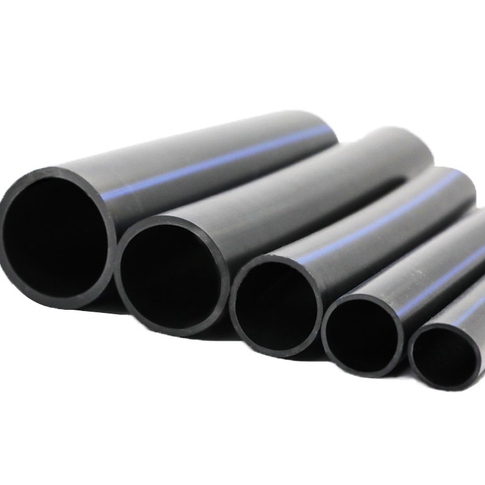
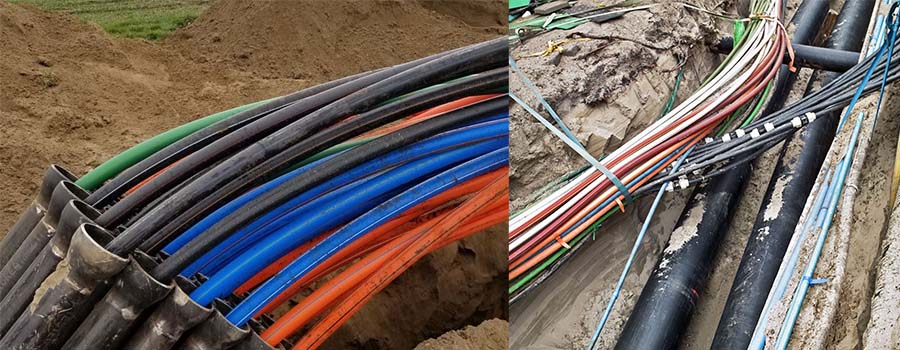
HDPE electrical conduit pipe is a type of plastic pipe that houses and protects electrical wiring. It’s made from high-density polyethylene, a material known for its high strength-to-density ratio, making it a superior choice for conduit applications.
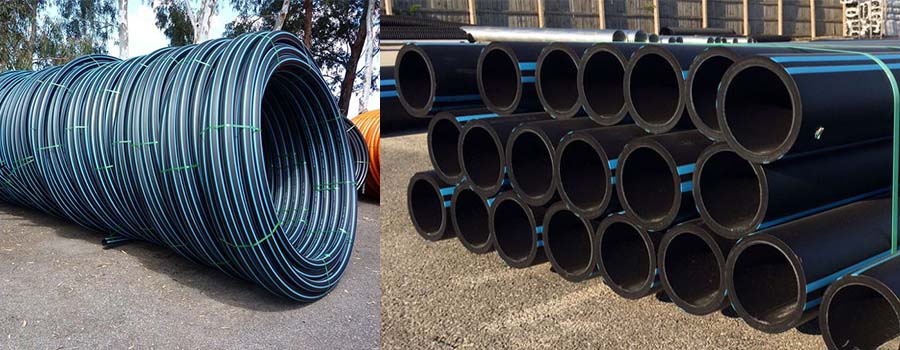
HDPE electrical conduit pipe is available in straight pipe and coiled pipe. The main difference is the size and pressure. Small size pipes can be rolled into a roll of 100-200 meters
HDPE Electrical Conduit Pipe Specifications
– Size: The diameter of the conduit pipe typically ranges from 20mm-630mm, 1/2 inch – 24 inches.
– Wall Thickness: Depending on the size and the intended application, the wall thickness can vary.
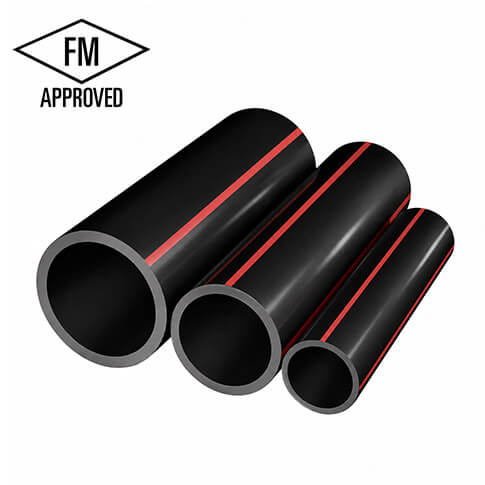
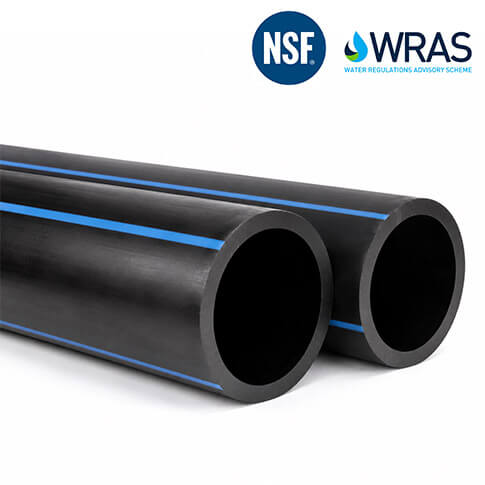
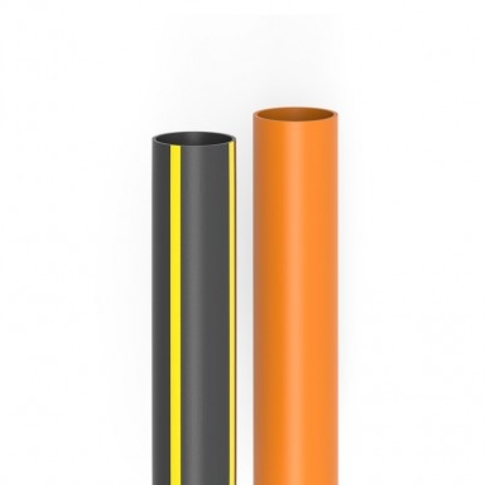
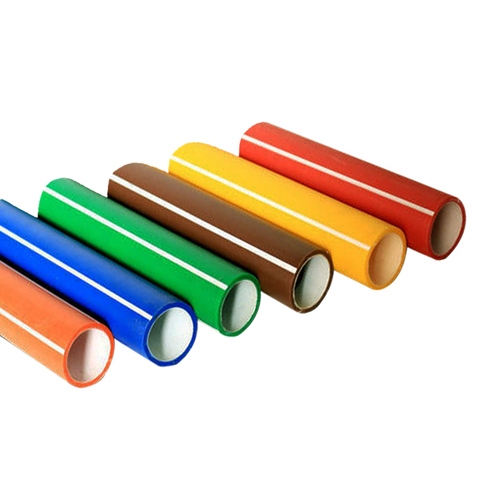
– Color: While black is the most common color, other colors can be used to differentiate between different types of wiring.
Here’s a simple table to provide a brief overview:
| Size (in inches) | Size(in mm) | Typical Wall Thickness (in mm) | Common Colors |
| 1/2 inch – 24inch | 20mm-630mm | 1.5mm-21mm | Black, Red, Blue, Yellow |
Get More details about HDPE Electrical Conduit Pipe Specifications , please check this page
| Nominal Pressure PE 100 |
SDR 11 | SDR 13.6 | SDR 17 | SDR 21 | SDR 26 | SDR 33 |
| PN 16 | PN 12.5 | PN 10 | PN 8 | PN 6 | PN 5 | |
| Nominal Size DN (mm) | Min Wall (mm) | Min Wall (mm) | Min Wall (mm) | Min Wall (mm) | Min Wall (mm) | Min Wall (mm) |
| 20 | 2.0 | – | – | – | – | – |
| 25 | 2.3 | 2.0 | – | – | – | – |
| 32 | 3.0 | 2.4 | 2.0 | – | – | – |
| 40 | 3.7 | 3.0 | 2.4 | 2.0 | – | – |
| 50 | 4.6 | 3.7 | 3.0 | 2.4 | 2.0 | – |
| 63 | 5.8 | 4.7 | 3.8 | 3.0 | 2.5 | – |
| 75 | 6.8 | 5.6 | 4.5 | 3.6 | 2.9 | – |
| 90 | 8.2 | 6.7 | 5.4 | 4.3 | 3.5 | – |
| 110 | 10.0 | 8.1 | 6.6 | 5.3 | 4.2 | – |
Technical Deep Dive: SDR vs. Schedule for HDPE Conduits
In the world of HDPE electrical conduit pipe specifications, two main standards define wall thickness: SDR (Standard Dimension Ratio) and Schedule (Sch 40/80). Understanding the difference is crucial for proper engineering and installation.
| Specification | Primary Use in Conduit | Thickness Principle | Key Advantage |
| SDR (SDR 13.5, 11) | Directional Boring (Trenchless) | Wall thickness is proportional to OD (constant pressure rating). | Ideal for high-stress trenchless installation. |
| Schedule (Sch 40, 80) | Traditional Open Trench & Above-Ground | Constant wall thickness for specific OD (higher material content). | Easier integration with traditional fittings and steel systems. |
The Critical Role of SDR in Electrical Cable Pulling
While the SDR defines pressure strength in liquid applications, for HDPE conduits, a lower SDR (thicker wall) offers superior crush resistance and wall integrity during the intense pressure of directional drilling.
Furthermore, all quality hdpe conduits feature a smooth inner wall with a low coefficient of friction. This property is vital for protecting high-value assets like fiber optic or power cables and enables longer, more efficient cable pulls, directly reducing installation time and labor costs.
New Frontier Applications: HDPE in Smart Infrastructure
The demand for hdpe pipe for electrical cable is skyrocketing, driven by global shifts towards smart infrastructure and high-speed data. Modern HDPE conduits are the literal backbone of these advancements.
HDPE Conduit for 5G and Fiber Deployment
The rollout of 5G and high-density fiber networks requires unprecedented speed and reliability in installation. HDPE conduit is the material of choice because of its:
- Continuous Length: Supplied on reels, minimizing joints and potential failure points.
- Flexibility: Allows for smooth, long curves without extra fittings, crucial for navigating dense urban underground environments.
- Protection: Excellent impact and abrasion resistance protects sensitive fiber optic cables from ground shifting and construction activities.
This new wave of infrastructure development further solidifies the market for hdpe electrical conduit specifications that prioritize flexibility and long-term durability in critical telecommunication and power grid projects.
Updated Material Comparison: HDPE vs. PVC and Steel
While PVC and steel remain viable, the comprehensive advantages of HDPE electrical conduit are becoming increasingly apparent, leading many to switch for lower long-term Total Cost of Ownership (TCO).
| Feature | HDPE Conduit | PVC Conduit | Steel Conduit |
| Joining Method | Heat Fusion (Leak-proof, stronger than pipe itself) | Solvent Cement / Gasket (Potential failure point) | Threading / Welding (Corrosion risk at joints) |
| Corrosion Resistance | Excellent (Unaffected by soil chemistry) | Good (Can degrade in UV/extreme chemicals) | Poor (Requires costly protective coatings) |
| Flexibility | High (Conforms to ground shifts, fewer fittings) | Low/Rigid | None (Requires extensive bending equipment) |
| Lifespan | $\geq 50 \text{ Years}$ | $20\text{–}30 \text{ Years}$ | Varies greatly with coating maintenance |
This comparison highlights why professionals are increasingly choosing hdpe pipe for electrical installations, recognizing its superior durability, safety (non-conductive), and installation efficiency, especially in trenchless applications like horizontal directional drilling (HDD).
The Advantages of HDPE Electrical Conduit Pipe
1. Durability: HDPE is resistant to impact, weather, chemicals, and UV radiation, making it exceptionally durable
2. Flexibility: Due to its flexible nature, HDPE conduit pipe can be installed in a variety of environments, including uneven terrains.
3. Cost-Effective: When considering the long-term maintenance costs, HDPE conduit pipe is often more cost-effective than its counterparts.
Practical Applications of HDPE Electrical Conduit Pipe
– Residential Buildings: For wiring in homes and apartments, HDPE conduit pipe offers a safe, durable, and cost-effective solution.
– Commercial Buildings: These pipes are used in office buildings, shopping malls, and other commercial structures.
– Industrial Applications: Given their resistance to harsh environments, these pipes are ideal for industrial settings.
In conclusion, HDPE electrical conduit pipe, with its impressive specifications and benefits, is a solid choice for your electrical wiring needs. Its durability, flexibility, and cost-effectiveness make it desirable for a variety of applications.Understanding the specifications and capabilities of HDPE electrical conduit pipes will enable you to choose the right product for your project. Whether you’re wiring a small residential building or a large industrial complex, HDPE conduit pipe is a reliable, high-quality choice.
Order HDPE Electrical Conduit Pipe Please Contact Puhui Now! You will Get quote today!