22
Oct
The Power of HDPE Electrofusion Fittings
817
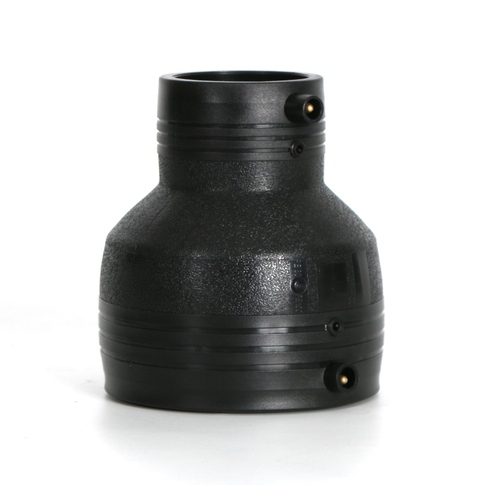
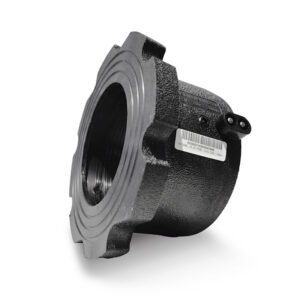
HDPE electrofusion fittings are essential components in modern polyethylene (PE) piping systems, playing a critical role in creating secure, leak-proof joints for gas, water, and industrial applications. These fittings are a cornerstone of reliable infrastructure, leveraging electrofusion technology to offer superior performance and longevity compared to traditional methods.
Why Choose High-Density Polyethylene (HDPE) Electrofusion Fittings?
The popularity of these fittings stems from the inherent advantages of high-density polyethylene and the precision of the electrofusion process.
Core Advantages
- Exceptional Joint Integrity: The electrofusion process creates a homogenous bond between the pipe and the fitting. This fused joint is stronger than the pipe itself, ensuring a leak-free connection that is vital for pressure applications.
- Corrosion and Chemical Resistance: HDPE naturally resists chemical attack, rust, and microbial growth. This makes HDPE electrofusion pipe fittings ideal for harsh environments and systems transporting aggressive fluids.
- Durability and Longevity: With excellent impact strength and flexibility, they can withstand ground movement, water hammer, and extreme temperatures, contributing to a service life of 50 years or more.
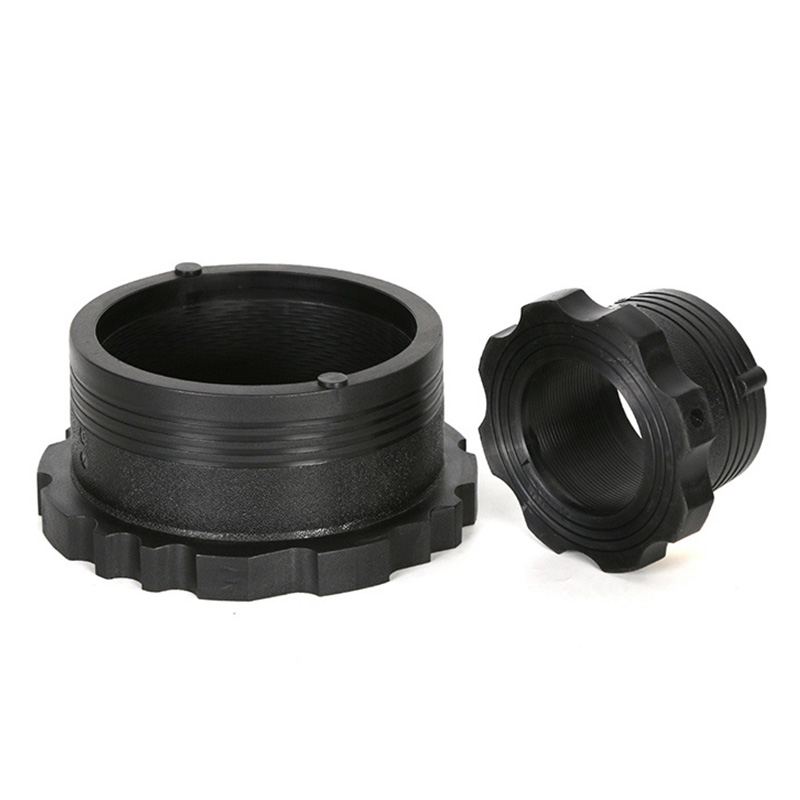
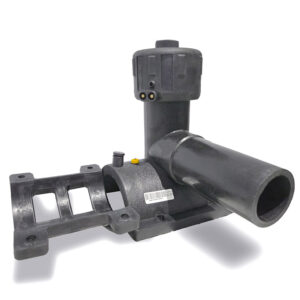
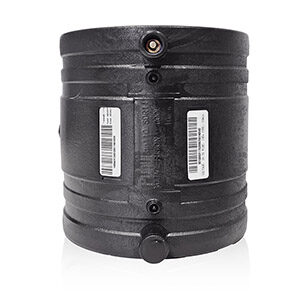
- Versatility in Application: From HDPE electrofusion couplings for simple connections to HDPE electrofusion saddle fittings for tapping into existing lines, the range of available products meets diverse engineering needs.
| Feature | HDPE Electrofusion | Mechanical Joints |
| Leak Integrity | Excellent (Homogenous bond) | Good (Dependent on seal) |
| Corrosion Resistance | High | Low to Moderate |
| Installation Time | Moderate (Including cooling) | Fast |
| Long-Term Maintenance | Very Low | Moderate |
The Electrofusion Process Explained
Electrofusion is a straightforward yet precise method for joining PE pipes.
- Preparation: The pipe ends are scraped to remove the oxidized outer layer, and the electrofusion fitting is cleaned.
- Clamping: The pipes and fitting are secured in an alignment clamp to maintain stability and correct positioning.
- Fusion: An electrofusion machine is connected to the fitting’s embedded copper wires. A controlled voltage and current are passed through, generating heat that melts the internal surface of the fitting and the external surface of the pipe.
- Cooling: The material cools under pressure, fusing the two components into a single, monolithic structure. This ensures a reliable and robust connection, crucial for high-pressure systems.
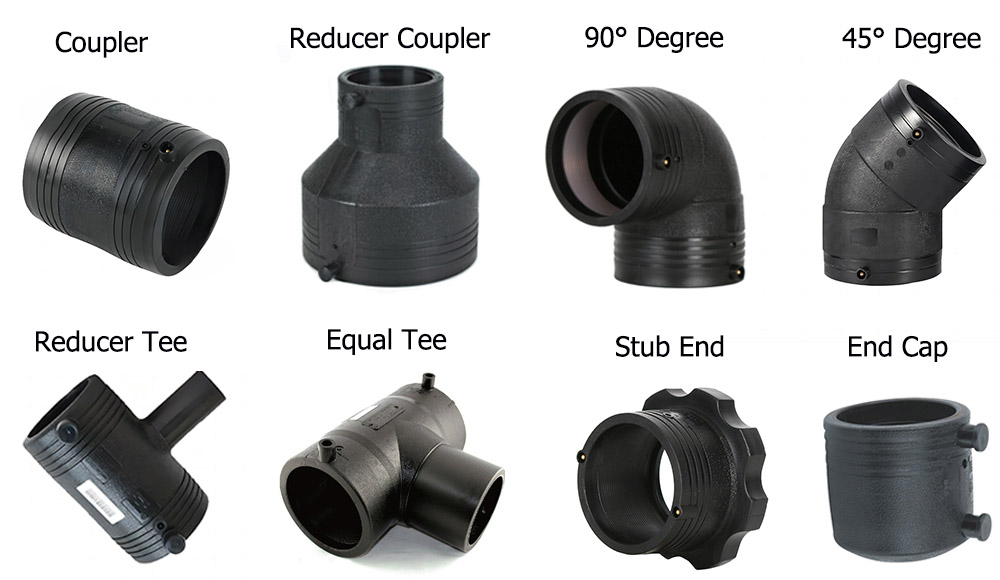
Applications and Product Range
HDPE electrofusion fittings are the preferred choice across a variety of sectors due to their reliability.
Typical Application Scenarios
- Potable Water Supply: Ensuring clean, uncontaminated water delivery through reliable, non-corroding joints.
- Natural Gas Distribution: The superior seal is critical for preventing gas leaks and ensuring public safety.
- Wastewater and Drainage: Handling corrosive sewage with long-term resistance.
- Mining and Industrial Slurry: Withstanding abrasive materials and high pressures.
Common Electrofusion Products
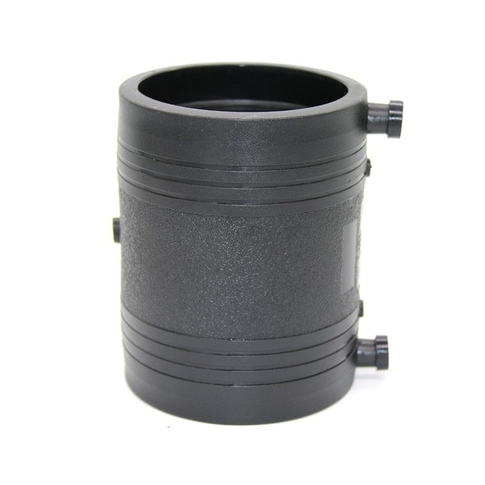
- Couplers: Used to join two pipe ends of the same diameter (e.g., an HDPE electrofusion coupler).
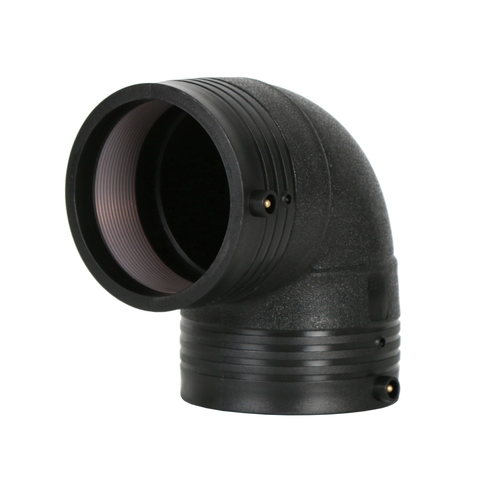
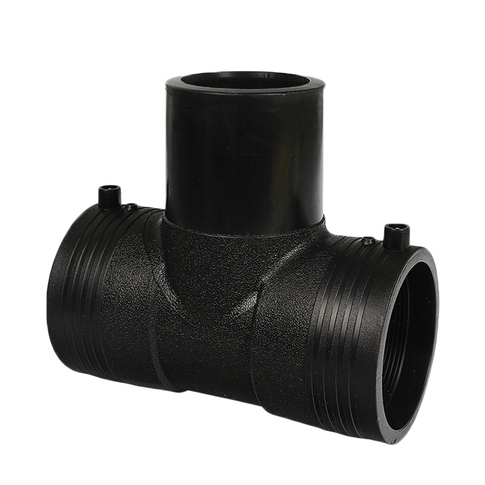
- Tees and Elbows: For directional changes and branching (e.g., an electrofusion elbow).
- Reducers: To connect pipes of different diameters.
- Saddles: Used for service connections or tapping an existing main without interrupting flow.
Previous post:
Next post: