14
Oct
HDPE Pipe Sizes and Dimensions Puhui
When choosing the right HDPE pipe, understanding HDPE pipe sizes and specifications is essential. HDPE (High-Density Polyethylene) pipes are widely used for water supply, drainage, gas, and industrial systems due to their durability, flexibility, and corrosion resistance. Selecting the correct pipe size ensures efficient flow, system compatibility, and long-term reliability.
HDPE Pipe Size Chart and Dimensions
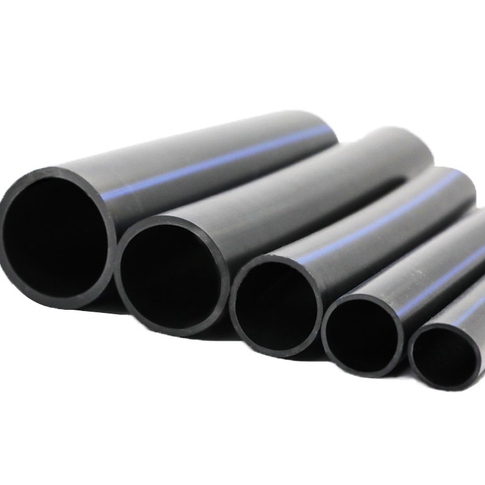
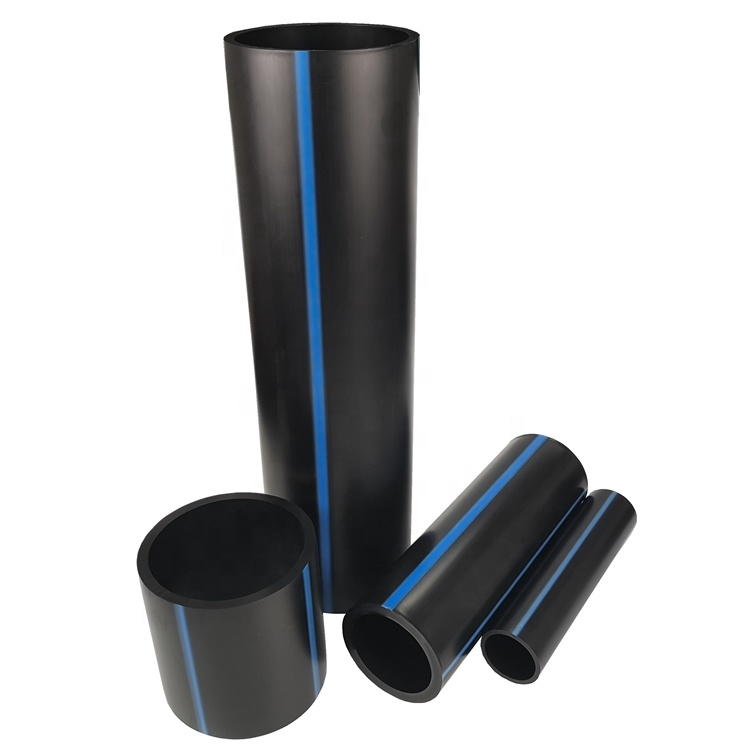
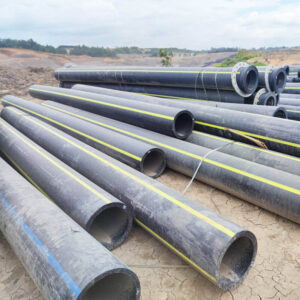
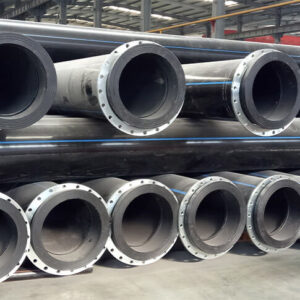
HDPE pipe sizes are generally defined by their outer diameter (OD) and pressure rating (PN). The most common HDPE pipe dimensions range from 20mm to 1200mm in diameter. Below is a simplified overview:
- Small sizes (20mm – 63mm): Suitable for domestic water supply and irrigation.
- Medium sizes (75mm – 315mm): Commonly used for municipal water networks and drainage systems.
- Large sizes (355mm – 1200mm): Ideal for industrial projects, mining, and wastewater pipelines.
The HDPE pipe size chart helps engineers match pipe diameters with wall thickness (SDR rating), which determines pressure resistance.
HDPE Pipe Specifications and Pressure Ratings
Each HDPE pipe size has different pressure ratings depending on the SDR (Standard Dimension Ratio). A lower SDR number means a thicker wall and higher pressure capacity. For example:
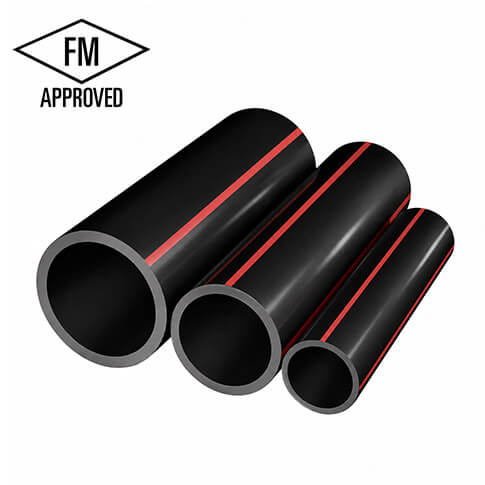
♦ SDR9 HDPE Pipe: Suitable for Fire Protection projects(certification: FM1613)
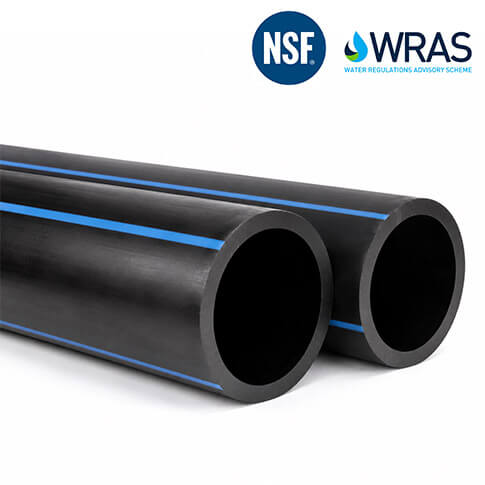
♦ SDR11 HDPE Pipe: Suitable for high-pressure systems
♦ SDR17 HDPE Pipe : Used in medium-pressure pipelines
♦ SDR26 HDPE Pipe: Best for gravity or low-pressure flow
These specifications help users select the best HDPE pipe size and pressure rating for their application.
Choosing the Right HDPE Pipe Size
When selecting HDPE pipe dimensions, consider:
- Flow rate and application type
- Pressure requirements
- Connection fittings and installation method
Accurate sizing ensures long-term performance and reduces maintenance costs.